A big shot in the advertising industry, the 41-year-old mortgaged his real estate to enter the front-end fresh food industry. After losing money for 7 years and his peers falling, he gritted his teeth and held on. Pupu will be profitable for the whole year in 2024, with annual GMV of approximately 30 billion yuan, and Fuzhou penetration rate exceeding 70%. In 2026, rumors spread in the market that Alibaba planned to acquire Pu Pu for US$1.5 billion, the eve of Pu Pu's stand on the giant negotiation table. Chen Xingwen spent 10 years proving that the storm is not something you wait for, you have to survive it.
Chen Xingwen
Asian Cover Figure | Chen Xingwen: From Mortgaging His House to Sitting at the Giants' Table — Ten Years of Pupu's Rise
In June 2026, market reports emerged that Alibaba planned to acquire Pupu Supermarket for $1.5 billion. This front-warehouse instant retail enterprise originating from Fuzhou, with 30 billion yuan annual GMV and over 70% user penetration in the Fuzhou region, has become an extremely weighty regional leader in China's instant retail track.
Tracing back a decade: in 2016, 41-year-old veteran advertising professional Chen Xingwen mortgaged his property, raised 7 million yuan in startup capital, and entered the then-unproven front-warehouse fresh produce model in Fuzhou. Through 7 years of continuous losses (2017-2023), while numerous competitors exited one by one — Daily Fresh headed toward delisting, Dingdong Maicai forced to seek capital backing — Pupu under Chen Xingwen's leadership stabilized its base, achieving first full-year profitability in 2024, step by step reaching a position of equal dialogue with internet giants.
I. The Ad Executive's Pivot: Mortgage the House, Start Over at 41
Chen Xingwen, originally from Nanping, Fujian, before entering fresh entrepreneurship was already a seasoned local advertising industry practitioner with a mature commercial service team, long providing brand planning and marketing services for well-known Min brands like Yinqu and Panpan, with career and income in stable ascent — a seemingly successful mature entrepreneur by others' standards.
In 2016, already 41, Chen Xingwen made a cross-sector decision breaking category cognition: mortgaging his property for 7 million yuan initial funding, rooting himself in Fuzhou to test front-warehouse fresh delivery. At that time, the front-warehouse model was still in nascent exploration in China; Fuzhou's fresh retail market was dominated by traditional wet markets and chain supermarkets, with online 30-minute delivery instant retail nearly non-existent.
Industry early observers were not optimistic, generally believing fresh product loss control was difficult, short-distance high-frequency fulfillment costs were hard to bring down, and heavy-asset front-warehouses could hardly achieve positive cash flow. Many industry insiders directly predicted such fresh startups couldn't survive three years. Chen Xingwen, already established in advertising, was not shaken by external doubt, formally embarking on his second, dramatically different entrepreneurial journey.
II. Deep Cultivation of Fuzhou: 7 Years of Losses, He Didn't Leave
In Pupu's early days, without mature operations or standardized processes, Chen Xingwen deeply immersed himself in frontline operations — personally participating in van deliveries, community flyer distribution, front-warehouse site selection, shelf stocking — understanding Fuzhou residents' fresh consumption habits in the most grounded way.
Long-term refined regional operations gave Pupu user penetration exceeding 70% in Fuzhou and Xiamen, directly rewriting Fujian's fresh retail competitive landscape. Old-guard supermarket Yonghui's instant delivery market share was continuously squeezed; Hema ultimately chose to exit Fuzhou; Dingdong Maicai drastically contracted Fujian stations to control losses. Pupu held its Min-territory base firmly through a dense front-warehouse network.
Behind impressive regional market share lay 7 years of continuous losses. Front-warehouse business models inherently have profitability challenges: fresh non-standard goods have low gross margins, warehouse turnover losses are hard to control, dedicated 30-minute point-to-point delivery pushes up fulfillment costs. Under mounting pressure, Pupu's cash flow repeatedly approached the edge. Some founding team members departed; external investment institutions simultaneously tightened instant retail funding.
III. Meticulous Operations: The Transformation from Loss to Profit
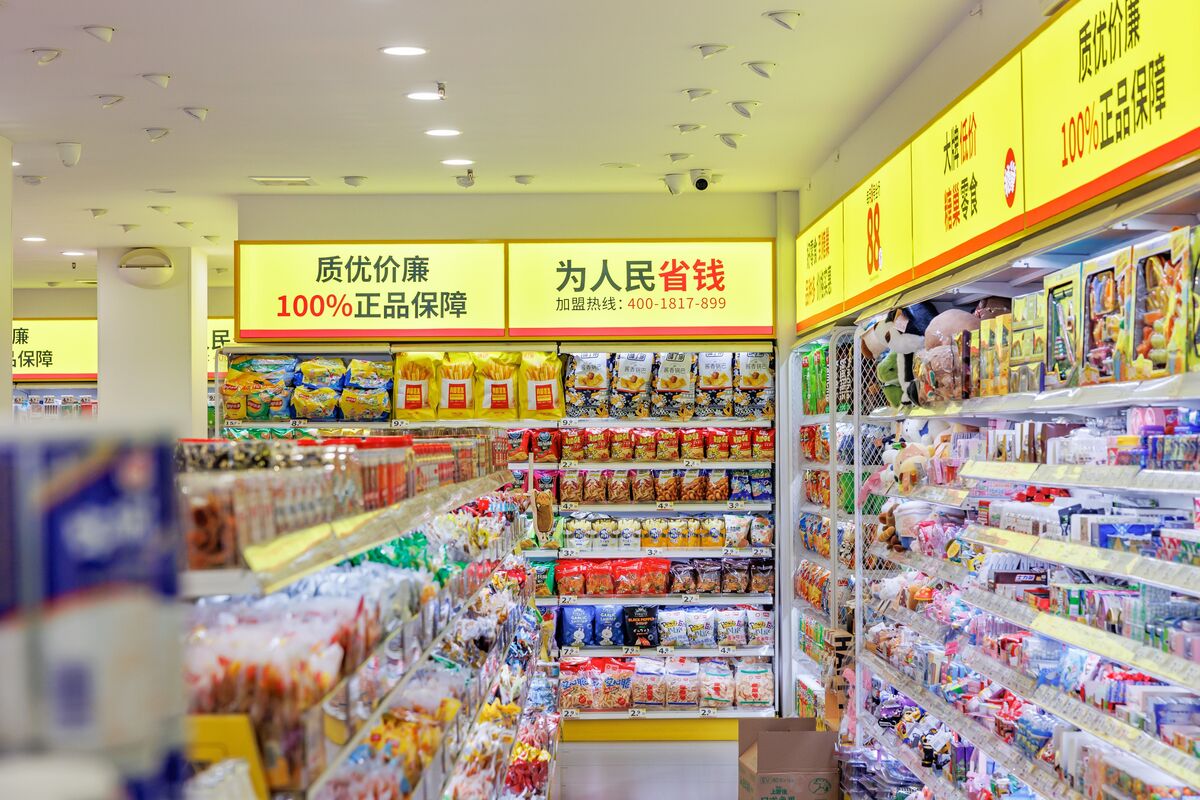
After enduring the long loss cycle, Pupu launched systematic operational efficiency upgrades — reducing costs and increasing efficiency from three dimensions: front-warehouse hardware, supply chain source procurement, and intelligent delivery dispatch, gradually building a replicable profitability model. Warehousing upgraded from early small front-warehouses to standardized 800-1,000 square meter large warehouses, expanding grains/oils, daily necessities, beverages/snacks and other non-fresh categories, creating community one-stop online shopping scenarios, boosting average order value.
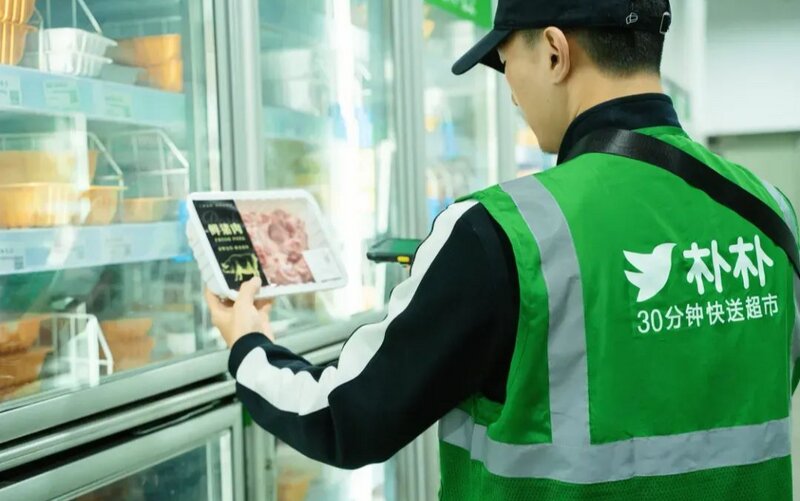
The delivery system introduced intelligent dispatch algorithms — auto-assigning orders based on address, rider real-time location, and traffic conditions — compressing average delivery time to 18-23 minutes, far below the industry's typical 30-minute standard. Supply chain deeply bound to Fujian local fresh origins, with core fresh categories achieving 80% direct source procurement, cutting multi-layer intermediary markup, while digital inventory management strictly controlled turnover loss, ultimately bringing overall loss rate below 3.5%.
After these refined operations landed, Pupu's core metrics underwent qualitative change. The industry recognizes 18% as the front-warehouse fulfillment cost breakeven line; Pupu compressed its fulfillment cost rate to 17.5%, with overall gross margin rising to 22.5. Leveraging super-high user repurchase and penetration, Fuzhou alone generated nearly 10 billion yuan in annual sales — the regional moat was fully constructed.
IV. Breakout: First Full-Year Profit in the Track, 2024
2024 became a milestone year for Pupu — this enterprise deeply cultivating regional markets for nearly a decade achieved full-year profitability, becoming among the first regional leaders in China's front-warehouse track to do so. Annual GMV reached approximately 30 billion yuan; proprietary brand sales exceeded 5 billion yuan; proprietary product lines won 15 PLF Global Retail Private Label Product Asia Exhibition excellence awards, with product R&D and supply chain capability receiving authoritative industry recognition.
After the operational foundation fully reversed, Pupu restarted its capitalization process, advancing Hong Kong stock listing preparation in 2025, and leveraging steady revenue scale and tax contribution, ranked 19th on Fujian Province's Top 100 Private Enterprises list.
V. The New Chess Game: At the Giants' Negotiating Table
As instant retail became a crucial offline landing point for e-commerce giants, in May 2026, market reports emerged that Alibaba, JD.com, and Meituan simultaneously contacted Pupu seeking M&A cooperation, with industry institutions giving Pupu a $2-5 billion valuation range. In June, Alibaba's $1.5 billion acquisition rumor surfaced — a price over double what Gaoxin Retail had offered — swiftly triggering industry-wide discussion.
Regardless of the ultimate capital direction, Pupu has, on the strength of its solid profitability and regional barriers, firmly sat down at the internet giants' business negotiation table. Whether eventual capital moves proceed, Pupu has already proven that a regional, deeply cultivated, instant retail model is sustainable — providing an entirely new development template for vertical local life service providers.
From mortgaging his house to the giants' negotiating table — it took him 10 years. In 2026, Chen Xingwen is 51 years old. Ten years of entrepreneurial ups and downs, Chen Xingwen fully embodied the Min merchant essence of grounded perseverance and long-term commitment. Market hotspots cycle endlessly; capital trends come and go quickly. The competitiveness that truly rides through cycles has never been chasing short-term heat, but calmy refining products, supply chains, and service systems. He proved through a full decade of hands-on persistence: your industry's moment never comes from passively waiting — day after day of deep, meticulous cultivation will eventually personally cook out your own era's opportunity.