From a 7-store Wallace franchisee to the founder of Tasiting with 12,500 stores, Wei Youchun spent 14 years building a Chinese burger empire. He learned from Wallace but improved the formula — with hand-rolled baked bun as the core barrier, follow-up location strategy, and strong-control franchise model to solve quality issues. In 6 years he covered what KFC took 36 years to build — not by speed, but by standardizing every step.
从华莱士学徒到万店掌门——魏友纯与“中国汉堡”的六年扩张
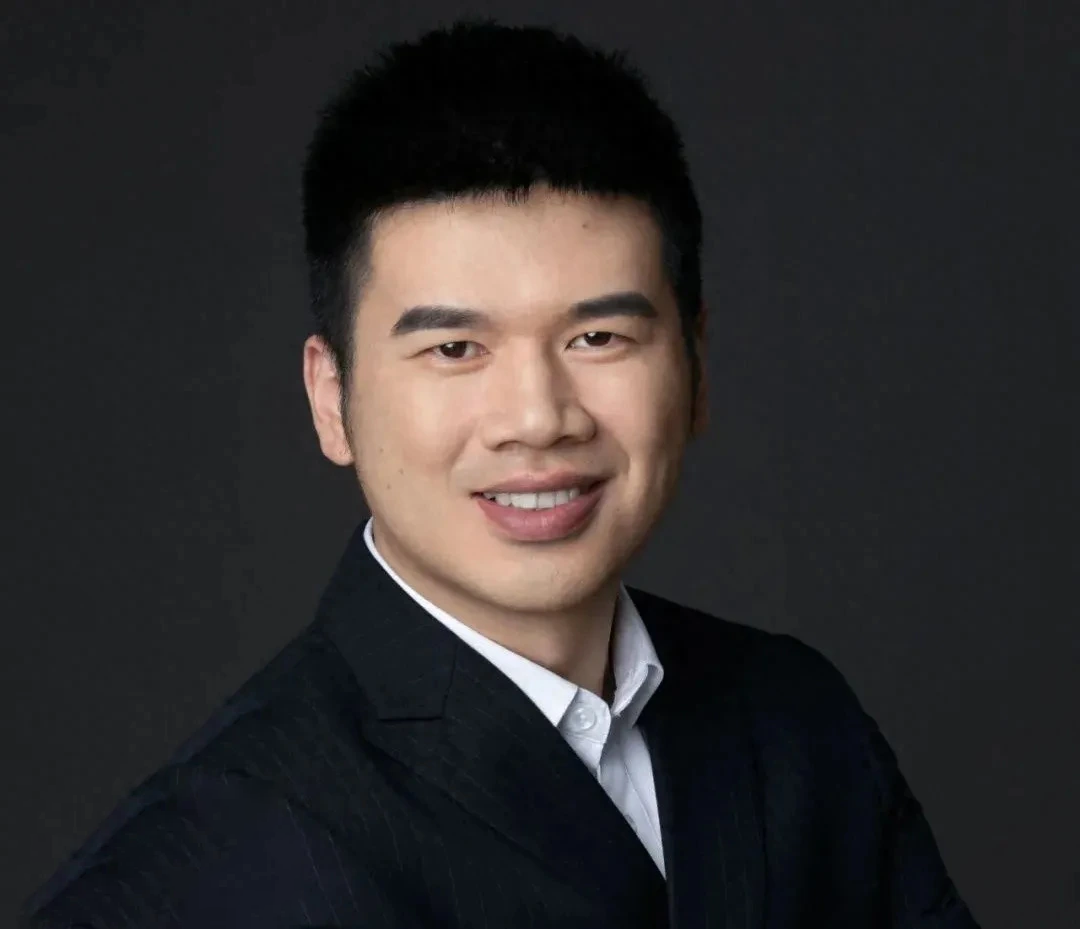
Asia Cover Character·Times Fujian Businessman|Wei Youchun: From 7 Wallace franchise stores to 12,500 Tustin stores, he has rewritten the rules of Chinese burgers
## 1. Wallace's "Apprentice" and Renegades
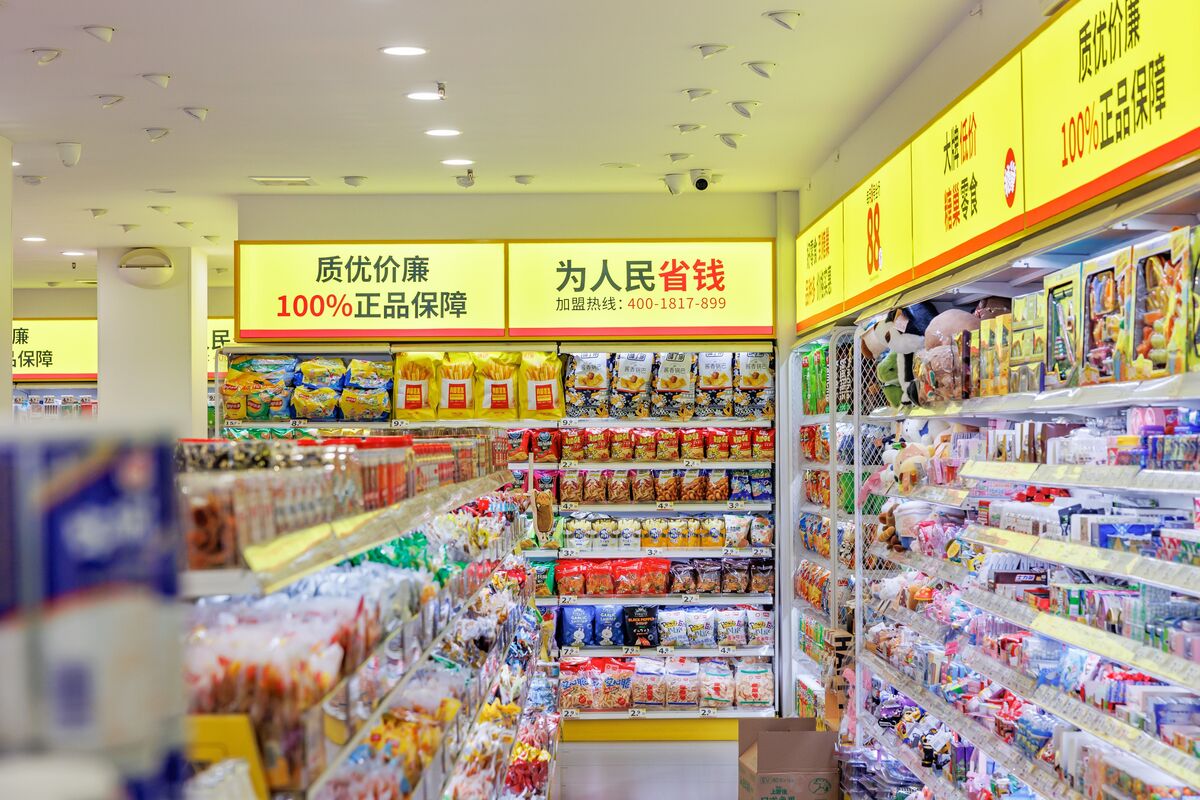
As a representative of Fujianese businessmen born in the 1980s, Wei Youchun's journey to start a catering business began with Wallace's franchise system. While deeply exploring the sinking fast food market, he accurately understood the logic of the grassroots market and opened seven Wallace stores in three years. In actual practice, he accumulated solid experience in chain operations, store location selection, and customer source development. Relying on Wallace's mature business model, he quickly started his business and saw the advantages and shortcomings of local fast food chains at close range.
In the long-term store operation, Wei Youchun discovered that Wallace's expansion model had institutional loopholes that were difficult to avoid. The brand focuses on rapid large-scale expansion, and its binding force on franchisees is weak. Franchisees only participate in profit dividends. Store quality control, ingredient standards, and service management are generally rough and lax. The lack of a standardized system has become the biggest constraint on the long-term development of the brand.
Wei Youchun, who is well versed in the rules of the sinking market and sees clearly the pain points of industry development, is no longer satisfied with being a single franchisee. In 2012, he joined hands with two partners of the same age to create a new catering brand Tustin in Nanchang, Jiangxi. In the early days of the brand, it mainly focused on pizza and also sold Western-style burgers, without forming a main line of burgers. Unlike practitioners who blindly follow the trend of entrepreneurship, Wei Youchun's entrepreneurship is a precise breakthrough after understanding the rules of the industry and figuring out the pros and cons of the model. He copied Wallace's homework but corrected the answers.
## Two and seven years of exploration: from pizza to "Chinese burger"
From its establishment in 2012 to the finalization of the brand in 2019, Tustin has gone through a period of seven years of exploration and accumulation. In the early days of its establishment, the brand focused on the pizza track. Due to problems such as serious category homogeneity and limited audience scenarios, store expansion was extremely slow. In seven years, the number of stores nationwide was less than 100, and it has always been in a state of tepid development.
In order to break through the development bottleneck, Tustin started a category iteration in 2017, transforming from a single pizza track to a "pizza + burger" dual category operation, and officially entered the burger track, laying the groundwork for the brand's subsequent transformation. At that time, the domestic hamburger market was monopolized by Western brands such as KFC and McDonald's. Standardized prefabricated embryos and fixed Western flavors became the norm in the industry. Local brands lacked differentiated competitiveness.
Based on in-depth insights into local consumer demand, in 2018, Wei Youchun's team completed core product innovation and successfully developed hand-rolled baked buns. Completely break the barriers to Western-style hamburger prefabrication, establish four standardized processes of "rolling, spreading, stretching and grilling", with Chinese pasta handcrafts as the core, to create a unique taste that is grilled and sold, crispy on the outside and soft on the inside, forming a product barrier that is different from all Western-style burgers.
After product innovation was implemented, Tustin officially established its core positioning of "Chinese burgers" in 2019, abandoning traditional Western fillings and launching Chinese-style burgers such as Peking duck and Mapo tofu that fit Chinese people's eating habits, accurately hitting the local consumer demand of the public. After seven years of tepid success, one positioning changed everything.
## 3. Opening a store close to the face: using "the county seat to surround the city" to conquer the world
Relying on years of experience in joining Wallace, Wei Youchun accurately grasped the traffic code of the sinking market and formulated a highly targeted store expansion strategy for Tustin. The brand has long adhered to "follow-up site selection", giving priority to sinking scenes such as counties, communities, schools, towns and villages, accurately replicating the high-quality site selection logic that Wallace has honed over 20 years, minimizing the cost of market trial and error, and accurately capturing the massive passenger flow in the sinking market.
In terms of chain management model, Wei Youchun continued Wallace's partnership dividend mechanism adapted to the sinking market, retaining the profit margins of partners and stabilizing the team and franchise system. At the same time, he targeted the loopholes in Wallace's core system and established a more stringent standardized management system, clearly stipulating that franchisees only participate in store dividends and are not allowed to interfere in daily operations, food procurement and quality control management. All store operating standards and quality control systems are uniformly controlled by the headquarters, which fundamentally solves the quality control chaos in chain brand expansion.
Product and pricing differentiation have become the key to Tustin's breakthrough. Relying on the dual advantages of exclusive hand-rolled freshly baked buns and Chinese-style special fillings, the brand creates the ultimate localized product experience. At the same time, it stabilizes the unit price per store at around 18 yuan. With its high cost-effectiveness, it avoids the head-on competition from leading Western fast food brands and accurately covers the mass consumer groups in the sinking market. It took Wallace 20 years to pave the way, and Tustin took 6 years to get there, and then used better products to pull people over.
## 4. Thousands of stores running: KFC completed its 36-year journey in 6 years
After the "Chinese Burger" positioning was established in 2019, Tustin completely got rid of the low-speed development dilemma and embarked on an explosive growth model, creating a growth miracle in the domestic fast food chain industry. In 2019, the brand had only about 100 stores nationwide; in 2021, the number of stores exceeded 1,000; in 2023, there were more than 5,000 stores nationwide; in March 2026, the number of stores reached 12,113; as of July 2026, third-party monitoring shows that Tustin has more than 12,500 operating stores.
Compared with industry giants, it took KFC 36 years to enter the Chinese market to reach the scale of 10,000 stores, while Tustin only took 6 years to go from establishing its differentiated positioning to joining the chain camp of 10,000 stores. Behind the rapid expansion is the triple bonus of a mature and replicable business model, exclusive differentiated products, and blank sinking markets. The standardized implementation of every development link allows the brand to achieve efficient and large-scale growth.
The impressive market size continues to attract capital. In November 2021, Tustin completed a 120 million yuan Series A financing, jointly invested by Source Code Capital and Buhuo Ventures. Subsequently, Sequoia China officially entered the market, and the brand valuation climbed to 7 billion yuan. With the empowerment of capital, the brand standardization process continues to accelerate. In 2025, Tustin established a red-chip structure and a Hong Kong company took over all the equity. Wei Youchun served as the sole director. In the same year, the brand completed the capital increase and the registered capital increased to 300 million yuan, paving the way for the listing of Hong Kong stocks.
As scale and capital advanced, Tustin began to lead the construction of industry standards. In 2024, the brand will jointly compile the "2024 Chinese Burger Development Report" with Xinhuanet and the Chinese Academy of Agricultural Sciences to fill the gap in Chinese burger industry standards and advance from a track participant to an industry rule maker. It took 6 years to complete the journey that others took 36 years to complete. It’s not about being fast, it’s about standardizing every aspect.
## 5. China’s hamburger going overseas: from sinking market to world stage
While taking root in the domestic sinking market, Tustin continues to delve into the core of localized brands and promotes Chinese burger culture to break out of the circle and go overseas. The brand has appeared on the world intangible cultural heritage Spring Festival stage many times, using catering as a carrier to convey Chinese food culture to the world, and has become the core business card of Chinese fast food overseas. Online brand communication continues to be vigorous, and related short videos have been played more than 4.5 billion times across the entire network, accurately capturing a large number of young consumer groups and consolidating the foundation of a youthful brand.
At the brand marketing level, Tustin continues to innovate its gameplay and achieve breakthroughs in sales and reputation. In August 2026, the brand joined hands with the movie "Welcome to the Dragon Restaurant" to launch a joint marketing campaign. With products that catered to public tastes and precise cultural marketing, 3.1 million joint-branded burgers were sold in just one week, setting another sales record and making the concept of Chinese-style burgers deeply rooted in the hearts of the public.
As for the core of brand localization, Tustin has always adhered to its original intention. As the brand official said: "Redefine Western-style burgers in Chinese ways and convey Chinese culture with Chinese taste." In industry competition, Tustin has always adhered to the concept of healthy development and believes that healthy competition in the same category can promote the continued heating up of the Chinese-style burger track and make the concept of "Chinese's own burger" recognized by more people.
From imitation and reference to innovation and transcendence, from a single small store to a chain of thousands of stores, from a novice on the track to an industry benchmark, Wei Youchun spent fourteen years interpreting the spiritual core of Fujian merchants' "Love to fight and dare to win". He did not create the burger category, but he reconstructed the localized narrative of Western fast food. Hamburg was an imported product, but he made Hamburg learn to speak Chinese.