In 1987, 42-year-old Zong Qinghou borrowed 140,000 yuan to contract a school-run enterprise, selling popsicles and delivering stationery on a tricycle. In 1988, "Drinking Wahaha makes eating delicious" spread throughout the country. In 1991, "little fish eats big fish" merged with Hangzhou Cannery. In 2013, Wahaha's revenue reached its peak, and he became the richest man in mainland China three times. In 2024, Zong Qinghou passed away. He spent his life proving that great things can come late and industries can last forever. 1987, Hangzhou. Zong Qinghou, 42, borrowed 140,000 yuan in debt to contract the distribution department of a school-run enterprise that had been losing money for years. He took two retired teachers and rode a tricycle through the streets, selling soda, popsicles, and stationery on a consignment basis. Accumulate original capital minute by minute. 37 years later, he created a beverage empire with annual revenue of tens of billions and became the richest man in mainland China three times. The tricycle is no longer there, but the spirit of tricycle riding remains in Wahaha. 1. A late bloomer: from tricycles to children’s nutrition solution Zong Qinghou was born in 1945 and turned 42 in 1987. He raised 140,000 yuan to take over the local loss-making school distribution department, with only two retired faculty members as the initial team members. In the early days of the business, there were no fixed warehousing and distribution vehicles. Daily goods delivery relied on human-powered tricycles. Popsicles, daily stationery and small drinks were sold along the street. Start-up funds were slowly accumulated through scattered retail. After one year of operation of the scattered distribution business, the team relied on market research and discovered that there was a market gap in the domestic children's appetizing nutritional products. In 1988, Wahaha Children's Nutritional Solution was officially launched, with the accompanying advertising slogan "Drink"
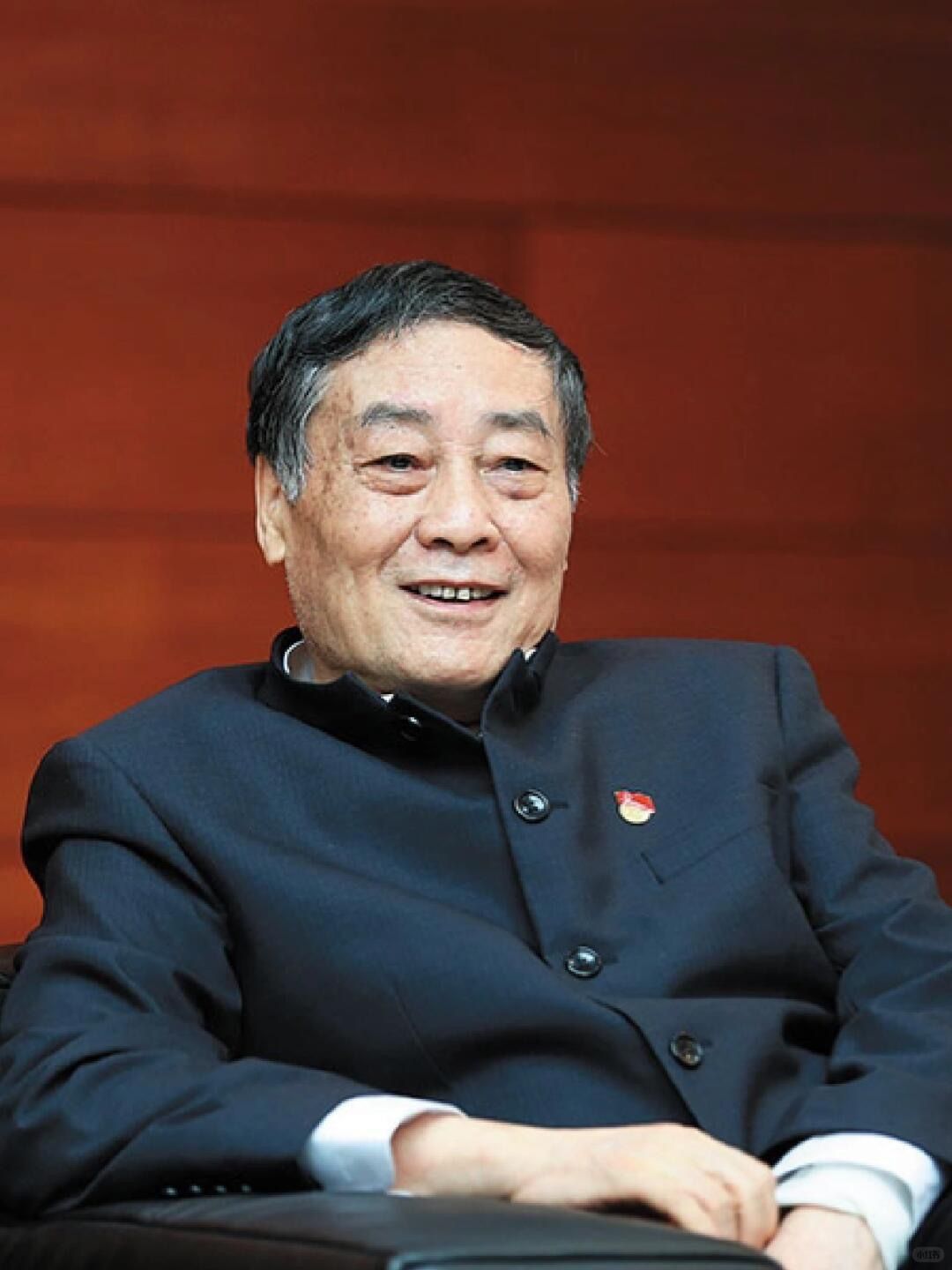
Zong Qinghou
Asian Cover Figure · The Business Contrarian | Zong Qinghou: Starting at 42 with a Tricycle, He Built a National Brand from One Bottle of Water
Asian Cover Figure · The Business Contrarian
Issue No. 024-
[Summary]
In 1987, at age 42, Zong Qinghou borrowed 140,000 yuan to take over a money-losing school-run enterprise, pedaling a tricycle selling ice pops and stationery. In 1988, "Drink Wahaha, eat with appetite" spread across the nation. In 1991, the "small fish eats the big fish" — merging with Hangzhou Can Factory. In 2013, Wahaha revenue hit its peak and he three times topped China's richest list. In 2024, Zong Qinghou passed away. He proved with his life: great things can come late; real industry can endure.
In 1987, Hangzhou. At age 42, Zong Qinghou borrowed 140,000 yuan to take over a perpetually loss-making school-run distribution department. With two retired teachers, he pedaled a tricycle through streets and alleys, distributing soda, ice pops, and stationery, accumulating primitive capital penny by penny.
37 years later, he built a beverage empire with annual revenue in the tens of billions, three times crowned China's richest man.
That tricycle is long gone, but the spirit of pedaling it lives on in Wahaha.
I. Late Bloomer: From Tricycle to Children's Nutritional Liquid
Born in 1945, Zong Qinghou was 42 in 1987 when he raised 140,000 yuan to take over a local loss-making school distribution business, his initial team just two retired teachers. In the startup's early days, there was no fixed warehousing or delivery vehicle; all daily distribution relied on a human-powered tricycle, selling ice pops, daily stationery, and small beverages door-to-door, slowly accumulating startup capital through scattered retail.
After a year of fragmented distribution operations, market research revealed a gap in the domestic market for children's appetite-stimulating nutritional products. In 1988, Wahaha Children's Nutritional Liquid officially launched, with the slogan "Drink Wahaha, eat with appetite." First-month sales exceeded 150,000 boxes; first-year revenue reached 4.36 million yuan — the crucial capital for the enterprise's transformation from scattered trading to self-owned product manufacturing. Wahaha thus completed its leap from zero to industrialization.
At 42, many feel life is settled. His story was just beginning.
What the tricycle pedaled into existence was the prototype of a national beverage.
II. Small Fish Eats Big Fish: Acquiring Hangzhou Can Factory
By 1991, Wahaha Children's Nutritional Liquid demand was surging, and the company's own facility capacity couldn't match order growth. With expansion timelines too long, Zong set his sights on the struggling state-owned Hangzhou Can Factory. At the time, Wahaha had just over 100 employees; Hangzhou Can Factory had 2,000+ on its roster and 67 million yuan in debt — a classic case of mismatched scale.
Zong finalized the plan: 80 million yuan to complete a full acquisition. This case of a private enterprise acquiring an established state-owned factory was dubbed "small fish eats big fish" by the industry. After asset transfer, the team completed production line conversion, equipment commissioning, and personnel realignment in just 28 days. Within 100 days of production, the perpetually loss-making Hangzhou Can Factory achieved operational profitability. The idle factory and production lines filled Wahaha's capacity gap, opening nationwide distribution channels.
Small fish eating big fish wasn't luck — it was courage.
He didn't just eat the big fish; he brought it back to life.
III. Channel Empire: The Joint Sales System and Peak Moments
After scaled production was established, Zong implemented his pioneering joint sales distribution system — the core being that distributors pre-paid cooperation deposits, with the company arranging production and shipments based on payment receipt, tying manufacturer and distributor fortunes together with shared risk. Through this system, Wahaha gradually built a nationwide distribution network reaching down to townships, with urban and rural outlets continuously expanding.
After the channel system took shape, AD Calcium Milk, purified water, Yingyang Kuaijian (Nutrition Express), Future Cola, and other products entered production one after another. The company's product line expanded to over a dozen major categories and nearly 200 SKUs. Leveraging full-category lineup and a comprehensive channel network, Wahaha's overall revenue reached its historical peak in 2013, and Zong was three times named China's richest man based on the company's performance.
He wasn't selling water — he was weaving a net covering the nation's urban and rural areas.
Channel depth determines enterprise height.
IV. The Defense Battle: 29 Lawsuits, Life-and-Death Struggle with Danone
In 1996, Wahaha and France's Danone formed a joint venture. In 2006, Danone proposed acquiring all Chinese-held equity at a below-market price, seeking full control of the Wahaha brand and production system. Facing this foreign acquisition attempt, Zong refused. The two sides entered a commercial dispute, launching 29 lawsuits across multiple global jurisdictions.
This transnational commercial dispute was one of the most influential foreign equity cases in China's reform and opening process. After multiple rounds of judicial proceedings and commercial negotiations, Zong ultimately raised funds to buy back Danone's shares at fair market value, fully preserving Wahaha's brand autonomy.
I'm not a capitalist; I'm an entrepreneur."
29 lawsuits — he didn't lose a single one.
What he defended was not just Wahaha, but the dignity of Chinese brands.
V. Legacy: Guarding the Business and Passing the Baton
After 2013, new consumer brands rose in China's beverage sector, traditional distribution channels underwent transformation, and the competitive environment changed significantly. Wahaha's revenue experienced periodic decline, and outside discussions about brand aging and insufficient product innovation multiplied.
Facing industry changes, Zong maintained his frontline work pace. He rarely flew first class, always carried an old canvas bag, and even past 70, spent over 200 days each year traveling to markets nationwide, visiting terminal stores in person, researching consumer demand, while simultaneously pushing product rejuvenation and targeting health beverage segments.
While steadily adjusting business structure, management authority gradually transferred to his daughter Zong Fuli. In February 2024, at age 79, Zong Qinghou passed away, closing 37 years of industrial entrepreneurship; in August that year, Zong Fuli officially became Wahaha Group chairwoman, completing the generational transition.
Enterprises are guarded, not built on speculation."
He guarded for 37 years, then passed the baton to the next generation.
A true contrarian isn't someone who never experienced a trough — it's someone who, after climbing out, could still hand the enterprise to his daughter.
Epilogue
In February 2024, Zong Qinghou passed away at 79.
From pedaling a tricycle at 42 to passing at 79. Over 37 years, he turned one bottle of water into a national brand.
That tricycle is long gone, but the spirit of pedaling it lives on in Wahaha.
Great things can come late; real industry can endure.
A true contrarian isn't someone who never fell into the abyss — it's someone who, after climbing out, could still guard one bottle of water, for a lifetime.