It started with four desks, and in 27 years its market value once exceeded 300 billion. Misjudgment of the epidemic resulted in a huge loss of 4.16 billion a year and the closure of about 300 stores. Zhang Yong: You have to swallow the bitter pill yourself. Four years later, he returned. On January 13, 2026, Haidilao announced that founder Zhang Yong would return as CEO. Four years ago, he chose to step down. In the past four years, this leading company that has been deeply involved in the catering industry for many years has experienced violent shocks: the company's market value once exceeded HK$300 billion, but its market value has fallen sharply, with an annual loss of 4.16 billion yuan, the closure of about 300 stores, and the internal launch of the "Woodpecker Plan" to complete systemic adjustments. After making decisions with his own hands and bearing the consequences, Zhang Yong chose to return and face the company's current challenges head-on. 1. Running wild: from 4 tables to a market value of over 300 billion. In 1994, Zhang Yong, Shu Ping, Shi Yonghong, and Li Haiyan formed a partnership in Jianyang, Sichuan, and started their business with 8,000 yuan of capital and 4 tables, and Haidilao was born. In a market environment where the catering industry generally competes for taste, pricing, and location, Zhang Yong has taken a differentiated path and regarded service as the core competitiveness of the company. He established a "family culture" management model, regarded employees as the core assets of the company's development, and improved the supporting benefits and growth system. This set of operational logic allowed Haidilao to gradually gain a foothold in the regional market, and then expand its store territory step by step. After decades of steady development, the scale of the company continues to grow. In September 2018, Haidilao was officially listed on the Hong Kong Stock Exchange. After listing, the company's market value once exceeded 3,000
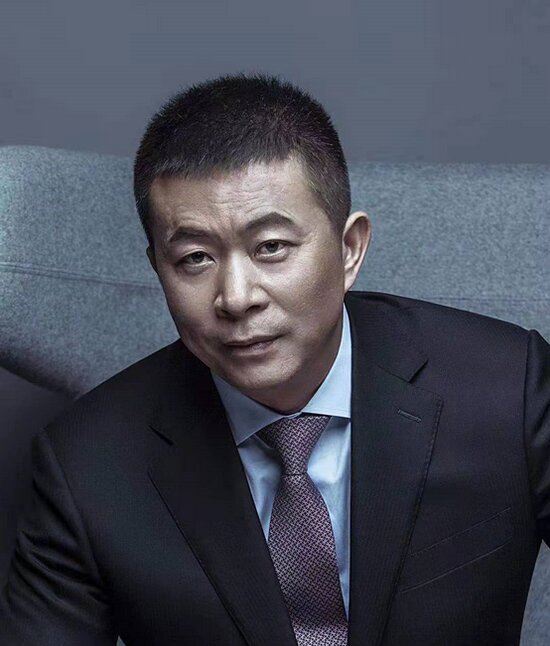
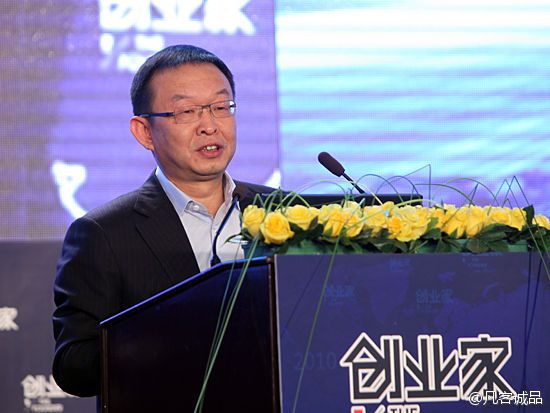
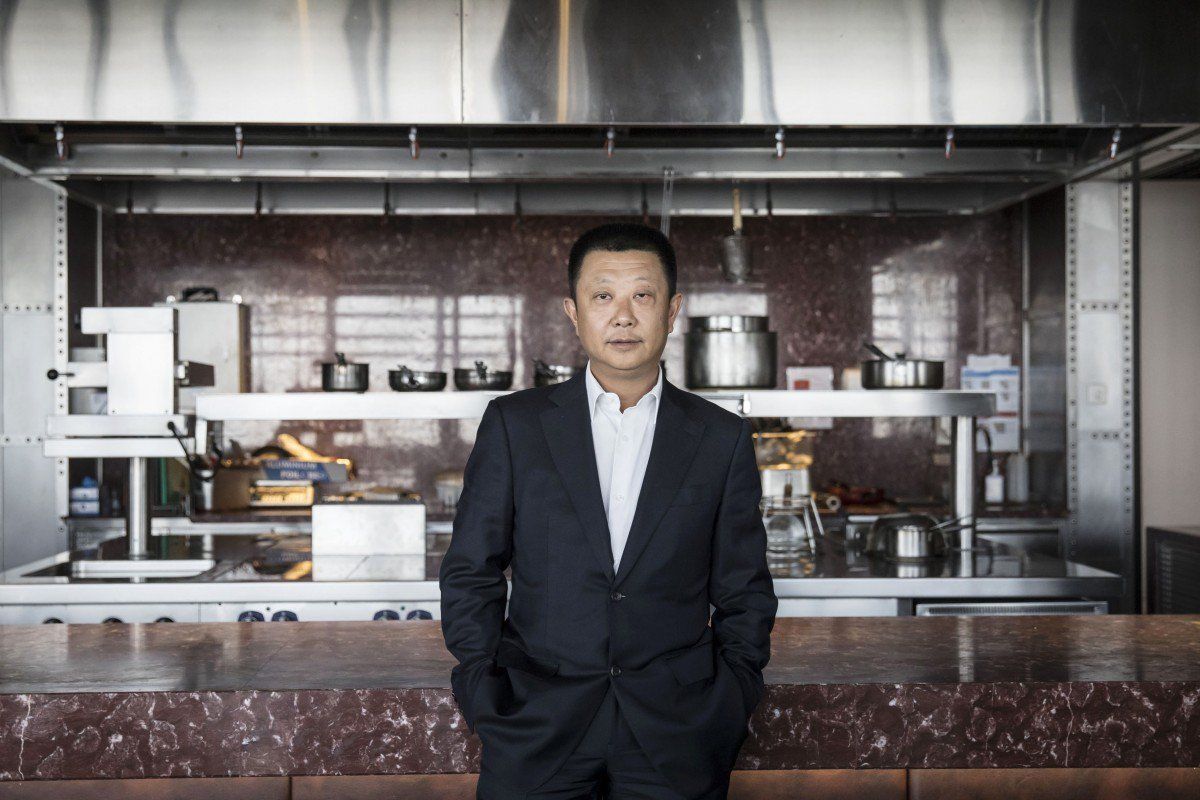
Zhang Yong
Asian Cover Figure | Zhang Yong: The Operator Who Stepped Down from Alibaba's Throne
Asian "Cover Figure" Magazine · Vision
Issue No. 042-
When Daniel Zhang Yong stepped down as CEO of Alibaba Group in September 2023, he closed a chapter that had defined Chinese e-commerce for over a decade. The man who transformed a scrappy online marketplace into a $500 billion conglomerate did so not with the charisma of a visionary founder, but with the precision of a master operator — someone who understood that in business, execution matters more than inspiration.
His 11-year tenure as CEO made him one of the longest-serving chief executives in China's tech industry, a period during which Alibaba expanded from domestic e-commerce dominance into cloud computing, digital entertainment, logistics, and international commerce. Yet his legacy remains complicated: the same operational excellence that drove Alibaba's growth also presided over its most challenging regulatory and competitive period.
I. From Accounting to the Corner Office
Born in Hunan Province, Zhang Yong studied accounting at a local university before joining Alibaba in 2007 as a senior finance executive. His early years at the company were spent in the back office, managing the financial infrastructure that supported Jack Ma's explosive vision. He was not a founding member, not a technologist, not a product person. By traditional tech industry standards, he was an unlikely candidate to run the world's most valuable e-commerce company.
But Alibaba in 2007 was not looking for a traditional tech CEO. It was looking for someone who could bring discipline to chaos, process to passion, and financial rigor to a company growing faster than its internal systems could handle. Zhang Yong was exactly that person.
His rise through Alibaba's ranks was steady rather than spectacular. He served as CFO, then head of the Taobao marketplace, then president of Tmall. Each role gave him a different lens on the business — financial, consumer, merchant — building a comprehensive understanding that would prove essential when he took the top job.
II. The CEO Years
Zhang Yong became CEO of Alibaba Group in January 2013, succeeding Lucy Peng. His appointment surprised many industry observers, who expected a more charismatic or technically-oriented leader. But Jack Ma, in one of his more prescient decisions, chose an operator over a showman — someone who could execute rather than inspire.
The early years were defined by Alibaba's successful IPO on the New York Stock Exchange in 2014, which raised $25 billion and became the largest IPO in history at the time. Zhang oversaw the operational side of this momentous event, ensuring that the company's systems, reporting, and governance could withstand the scrutiny of global capital markets.
Under his leadership, Alibaba expanded aggressively into new business areas. Cloud computing (Alibaba Cloud) became a major growth engine, competing directly with Amazon Web Services in Asia. Digital entertainment (Youku, Alibaba Pictures) diversified the company's revenue streams. Cainiao Network modernized China's logistics infrastructure. International commerce (Lazada, Trendyol) planted flags in Southeast Asia, Turkey, and beyond.
III. The Ant Group Saga
Perhaps no event better illustrates both Zhang Yong's operational skill and the limits of his power than the Ant Group story. The financial technology affiliate, which operated Alipay and a vast digital lending platform, was preparing for what would have been the world's largest IPO in November 2020 — a $37 billion offering that would have valued the company at over $300 billion.
Days before the IPO was set to proceed, Chinese regulators suspended it, citing concerns about financial stability and systemic risk. The decision sent shockwaves through global markets and triggered a comprehensive regulatory crackdown on China's tech sector.
Zhang Yong's response was characteristically measured. He issued a public statement accepting the regulatory decision, apologized for Ant Group's insufficient compliance, and committed to restructuring the business in accordance with new guidelines. The tone was humble, the language careful — a far cry from the combative stance that had characterized Jack Ma's famous speech weeks earlier that many believe triggered the regulatory action.
The restructuring that followed was painful. Ant Group's valuation was slashed by more than 70%. The company was forced to separate its lending and payment businesses, subject to banking regulations that fundamentally changed its economics. For Zhang Yong, who had overseen much of Ant's growth strategy, this represented not just a business setback but a fundamental reassessment of the relationship between tech companies and Chinese regulators.
IV. Navigating the Storm
The years 2021-2023 were among the most difficult in Alibaba's history. Regulatory fines totaled $2.8 billion — a record for a Chinese tech company. Competition from Pinduoduo and Douyin eroded market share. The company's stock price fell more than 60% from its peak. Employee morale declined as the company's once-legendary culture of innovation gave way to caution and compliance.
Zhang Yong navigated this period with the same operational discipline that had characterized his entire career. He reorganized the company into six business groups, each with its own CEO and the ability to pursue independent IPOs. He invested heavily in cost reduction, eliminating redundant operations and improving margins. He maintained relationships with regulators while trying to rebuild investor confidence.
Yet the results were mixed. While Alibaba remained the dominant e-commerce platform in China, its growth rate slowed dramatically. The company that had once seemed invincible now appeared to be a mature, regulated utility — still enormously profitable, but stripped of its growth narrative.
V. The Quiet Departure
Zhang Yong's resignation in September 2023 was framed as a routine succession, with Eddie Wu taking over as CEO. In his farewell statement, Zhang expressed gratitude for the opportunity to lead Alibaba through an extraordinary period of growth and transformation. He did not mention the regulatory challenges, the competitive pressures, or the strategic dilemmas that had defined his tenure.
This silence was characteristically Zhang Yong. Throughout his career, he had been the anti-Jack Ma — the understudy rather than the star, the operator rather than the visionary, the executor rather than the inspiration. In an industry that rewards bold pronouncements and charismatic leadership, he represented something different: the quiet competence of someone who understood that running a company is not about having the best ideas, but about making the machine work.
Whether history will judge him kindly remains to be seen. He presided over Alibaba's greatest expansion and its most painful contraction. He built systems that worked at scale and navigated crises that threatened the company's existence. He was neither the founder who dreamed the dream nor the savior who will rescue it from its current challenges — but he was the man who kept it running when it mattered most.
At 54, Zhang Yong steps back from the daily operations of one of the world's largest technology companies. His legacy is not a product or a vision or a movement — it is a company that, for eleven years, continued to function at the highest level under extraordinarily difficult circumstances. In the history of Chinese business, that may be achievement enough.