The original intention of Jinjiang brand creation: rejecting OEM and determined to build China’s independent sports brand
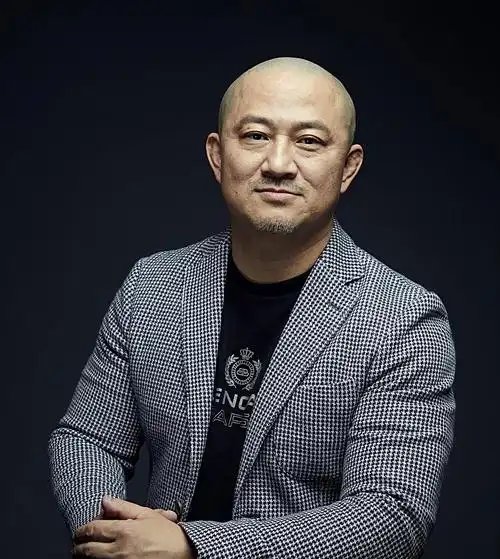
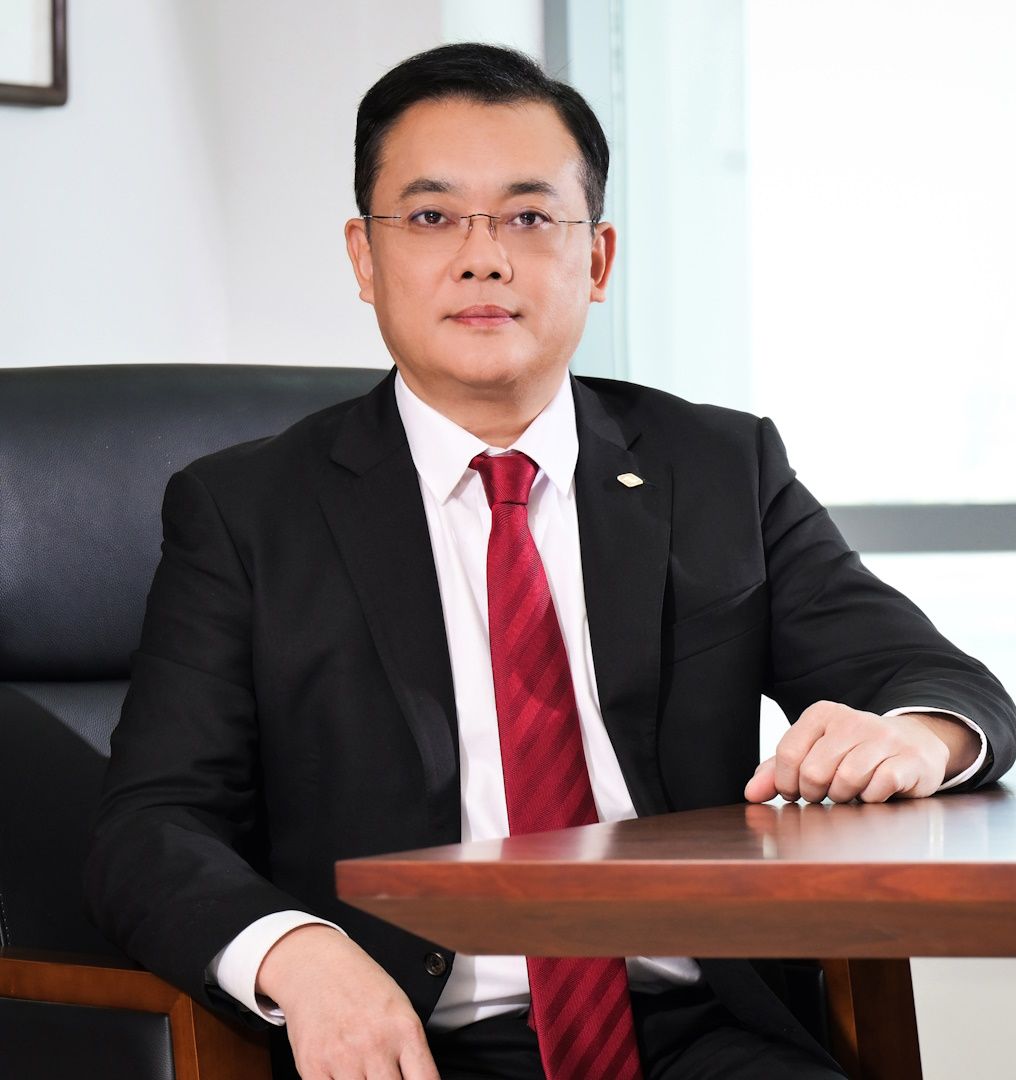
Wu Rongguang
ACF Cover Figure | Wu Rongguang: Donating 50 Million in Desperation — Igniting Wild Consumption and Driving the Rise of Domestic Brands
ACF · Perspective
In the development history of domestic sports brands, Wu Rongguang and Erke (Hongxing Erke) are destined to be remembered. During the 2021 Henan rainstorm disaster that moved the nation, Erke — then in a business trough with tight cash flow — resolutely donated 50 million RMB in supplies to the disaster area. This act of kindness in extremity not only triggered a phenomenal nationwide "wild consumption" movement but completely ignited Chinese consumers' domestic brand sentiment, driving a wave of development for local brands and bringing the responsibility of Chinese industry to national attention.
Jinjiang Brand-Building Aspiration: Refusing OEM, Resolving to Build China's Own Sports Brand
In the 1990s, Fujian's Jinjiang, leveraging its geographical advantages, became a national shoe manufacturing hub. Factories everywhere earned meager processing fees through foreign brand OEM — a quick-money approach. Wu Rongguang specialized in sports shoe design early on. After graduation, he entered his father Wu Hanjie's shoe factory, working deeply at the production frontline for years, which gave him clear sight of OEM's fatal shortcomings.
His father often warned: blindly manufacturing for others' brands means forever earning hard money at the bottom of the supply chain. Without your own brand, you'll never have market voice, let alone long-term industry standing. These words were deeply imprinted on Wu Rongguang, forging his conviction: he must build a sports brand that belongs to China.
When the 1997 financial crisis hit, legions of Jinjiang shoe factories dependent on OEM collapsed, further strengthening his resolve. In 2000, with his father's financial support, Wu Rongguang formally registered Erke, declaring the brand slogan "TO BE NO.1" — representing not just corporate aspiration but his aspiration of building a strong domestic sports brand.
From the brand's inception, Wu Rongguang precisely positioned the market, signing Jordan Chan (Chen Xiaochun) as brand ambassador for rapid national recognition. In 2003, Erke obtained the National Inspection-Exempt Product certificate. Brand development was thriving, seemingly entering the fast lane — when a sudden crisis plunged the enterprise into extremity.
Repeated Life-and-Death Trials: Typhoon Flooding, Fire Destruction, Delisting — He Never Gave Up
In 2003, a severe typhoon swept Fujian. Erke's production factory was completely flooded. Production lines and finished goods inventory were entirely destroyed. The enterprise suddenly bore over 10 million RMB in debt, plunging from steady development to negative assets overnight. Facing the devastated factory, Wu Rongguang showed no retreat. He led the core team in working day and night, inventorying damage, repairing equipment, eating and living alongside all employees, enduring together. Through product quality and offline channel support, they clawed their way out of the mud.
After recovery, Wu Rongguang pushed ahead with listing plans against opposition. In 2005, Erke listed on Singapore's main board, becoming China's first overseas-listed sports brand — hitting a development highlight. During the 2008 Beijing Olympics, the Chinese women's marathon team wore Erke, boosting brand visibility. However, subsequent strategic missteps, intense market competition, and insufficient brand investment gradually eroded Erke's market position.
By 2020, Erke was forced to suspend trading and delist, reaching the edge of survival. Countless people urged him to cut losses and abandon the brand. But Wu Rongguang refused. In his heart, Erke was never just a business — it was the domestic brand dream he'd held for half a lifetime. No matter how hard, he had to press on.
Donating 50 Million in Desperation: One Act of Kindness Ignites Nationwide Wild Consumption
In 2021, Henan experienced once-in-a-century extreme rainfall. Cities flooded, people were trapped, and the disaster moved the entire nation. At the time, Erke had not yet emerged from its business trough — account cash was tight, they couldn't even afford a Weibo membership, and their situation was visibly dire.
Yet Wu Rongguang hesitated not a moment. He immediately assembled his team and confirmed a 50 million RMB donation of disaster relief supplies. When others asked "why give everything when you can barely save yourself," he had only one belief: the enterprise was born on this land, rooted among the people — stepping forward in crisis is an enterprise's innate responsibility, requiring no thought.
This low-key yet sincere act of kindness quickly went viral across the internet. Chinese consumers were deeply moved by a company in adversity yet still carrying great love. A phenomenal nationwide "wild consumption" explosion was ignited. Erke's livestream rooms were overrun by netizens; products sold out instantly. Offline stores formed long queues, with consumers rushing to purchase, supporting the responsible domestic brand with actual spending.
And it wasn't just Erke. This goodwill-triggered consumption wave completely ignited Chinese consumers' domestic brand confidence, with numerous local sports and apparel brands riding the momentum into a development boom.