To run a business, you need to be down-to-earth and do one thing well in your life.
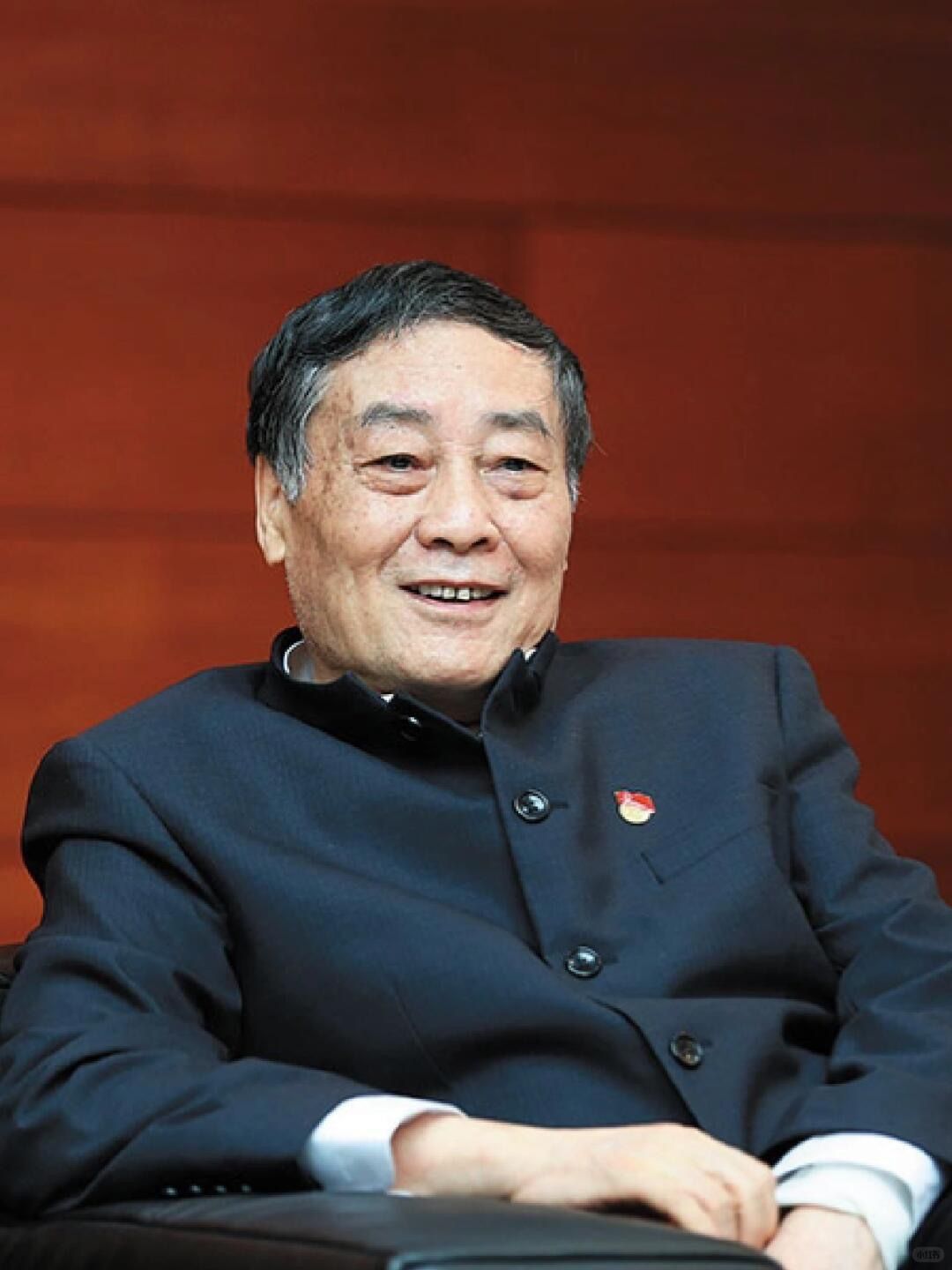
This issue of 'The Business Contrarian' focuses on entrepreneurs who achieved success through unconventional paths outside the mainstream narrative. Zong Qinghou is a typical case: starting at 42, he built a beverage empire in 37 years; in an era of capital frenzy, he insisted on industry; amid foreign acquisition waves, he defended brand sovereignty. His contrarianism was not deliberate novelty but based on a clear understanding of industrial essence—channel depth, product substance, and corporate stability. His archival value lies in providing a model of 'late bloomer,' proving that business success does not depend on the starting line but on long-term persistence and pragmatic management.
Zong Qinghou's entrepreneurial starting point was the school-run distribution department he contracted in 1987. At 42, he borrowed 140,000 yuan and, with two retired teachers, pedaled a tricycle selling soda, ice pops, and stationery, accumulating primitive capital penny by penny [1] [2]. In 1988, based on market research identifying a gap in children's appetite nutritional products, he launched Wahaha Children's Nutritional Liquid with the slogan 'Drink Wahaha, eat with appetite' spreading nationwide; first-year revenue reached 4.36 million yuan, completing the transformation from scattered trading to self-owned product manufacturing [1] [2]. In 1991, facing capacity bottlenecks, he invested 80 million yuan to acquire the state-owned Hangzhou Can Factory with 67 million yuan in debt, dubbed 'small fish eats big fish'; production lines were renovated in 28 days and turned profitable within 100 days, filling capacity gaps and opening national distribution channels [1] [2]. Subsequently, he created the unique 'associated sales system' where distributors pay deposits in advance, binding manufacturer and distributor interests and sharing risks, building a nationwide distribution network reaching townships [4]. Leveraging this channel, products like AD Calcium Milk, Purified Water, and Nutri-Express were launched, expanding to over ten categories and nearly 200 SKUs, with revenue peaking in 2013 [4].
In 1996, Wahaha formed a joint venture with France's Danone to build production entities [3]. In 2006, Danone proposed acquiring all Chinese shares at a low price, intending to fully control the Wahaha brand and production system; Zong refused, leading to a commercial dispute with 29 lawsuits worldwide [3]. This cross-border dispute became one of the more influential foreign equity battles in China's reform era. After multiple rounds of judicial proceedings and negotiations, Zong eventually raised funds to buy back all Danone's shares in the joint venture at fair value, preserving Wahaha's brand autonomy [3]. On the channel front, his unique 'associated sales system' required distributors to pay deposits in advance, with production and delivery based on payments, binding manufacturer and distributor interests and sharing risks; this system supported a nationwide distribution network reaching townships, becoming a core competitive advantage [4]. After 2013, facing the rise of new consumer brands and channel transformation, Zong maintained a frontline work pace, spending over 200 days a year in the market even after 70, promoting product rejuvenation and entering the health beverage segment [4] [5].
Zong Qinghou's life is a typical sample of China's industrial entrepreneurs. Starting at 42, he built a school-run distribution department into a beverage empire with annual revenue in the tens of billions over 37 years, three times topping China's richest list, proving that great things can come late [1] [4]. He adhered to industrial patriotism, rejected capital speculation, and defended brand autonomy in the Danone dispute, seen as a defender of Chinese brand dignity [3]. His 'associated sales system' became a classic case in Chinese consumer channel management, influencing many companies' distribution system designs [4]. He lived frugally, rarely flying first class, carrying an old canvas bag, and remained on the front line even after 70, embodying entrepreneurial pragmatism [5]. After his death in 2024, his daughter Zong Fuli succeeded as chairman, completing the generational transition and ushering Wahaha into a new phase [5]. What Zong left behind is not just products and channels, but a philosophy of 'guarding'—enterprises are guarded, not speculated.
The business proposition Zong Qinghou left behind is: in a rapidly changing era, how can industry endure? He answered with his life—not chasing trends, not speculating, but deepening channels, solidifying products, and stabilizing the enterprise. His 'guarding' was not conservatism but reverence for industrial laws. He proved that true contrarians are not those without lows, but those who, after climbing out of the abyss, can still guard a bottle of water for a lifetime. This industrial spirit is a scarce asset of our time.