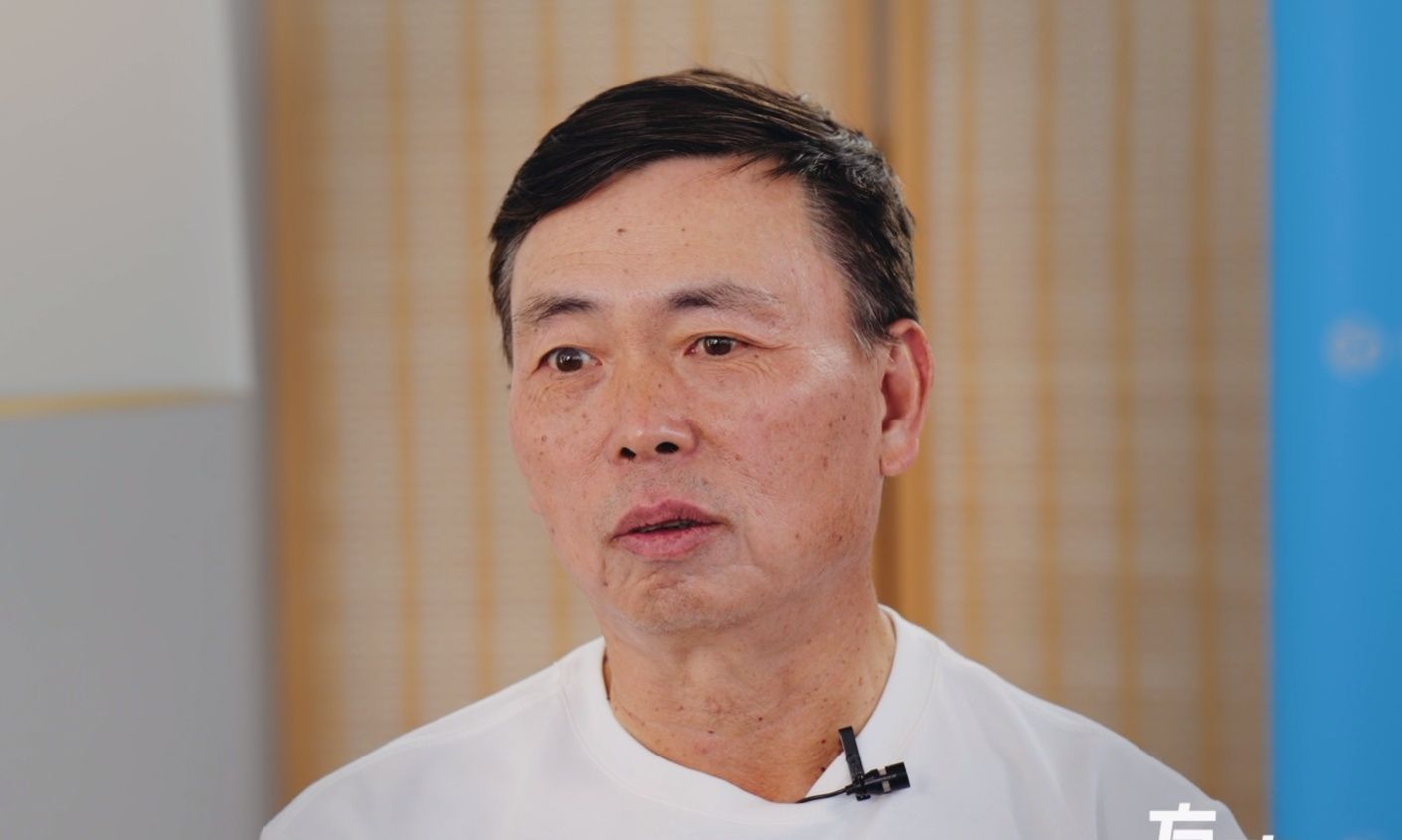
Do the right thing, not just do things right.
Duan Yongping is classified as a 'business rebel' not because he reached the top twice, but because he voluntarily descended from the peak twice. In 1989, he took over a dying factory and made it the industry leader in five years, yet he left decisively when shareholding reform failed. In 1995, he founded BBK and again reached the top, then split the company in 1999, handing over to young executives. In 2001, he moved to the US, fully retiring from business and turning to investing. Each of his 'rebellions' goes against human greed for power and fame, and against the worldly praise of 'perseverance.' His archival value lies in how a person who regards 'benfen' as the highest strategy defines 'doing' by 'not doing,' and achieves 'taking up' by 'putting down.'
Duan Yongping's entrepreneurial career began in 1989 when he took over the bankrupt Rihua Electronics Factory, which had 2 million yuan in debt and only 3,000 yuan in cash. [1] He founded the Xiaobawang brand, entering the game console market with a quality-focused approach. In 1991, he invested 400,000 yuan in a CCTV ad, quickly gaining national recognition. [1] Within five years, Xiaobawang's annual output exceeded 1 billion yuan, capturing over 80% of the market. [1] At its peak, he left due to unmet shareholding reform demands. In 1995, he founded BBK, focusing on educational electronics, communications, and audio-visual. In 1996, BBK won the CCTV bid with 81.23 million yuan. [2] In 1999, he split BBK into three companies, handing them to Chen Mingyong, Shen Wei, etc., which later became OPPO, vivo, and other brands. [3] In 2001, Duan moved to the US, fully retiring from business operations and turning to value investing. [4]
Duan Yongping's core business philosophy is 'being dutiful' (benfen), which means 'do the right thing, and do things right.' [3] He emphasizes a normal mind, excluding external interference and returning to the essence of things. [3] In investing, he adheres to the principle that 'buying a stock is buying a company,' holding quality assets long-term. [4] From 2001 to 2002, he invested $2 million in NetEase, earning over 100 times returns, a classic case. [4] In 2006, he paid $620,100 for a charity lunch with Warren Buffett, the first Chinese person to do so. [5] He has long held Apple, Moutai, etc. According to public sources like Xueqiu, his 25-year annualized investment return is about 36%. [6] He also established a 'not-to-do list,' including no OEM, no bargaining, no credit sales, and no attacking competitors. [3] In 2020, he invested in J&T Express, supporting Li Jie's entrepreneurship; J&T's market value exceeded HK$100 billion. [6]
Duan Yongping's influence is far-reaching. He has cultivated a group of business leaders, such as Chen Mingyong of OPPO, Shen Wei of vivo, Huang Zheng of Pinduoduo, and Li Jie of J&T Express. [3] [6] His 'benfen' culture has become the core value of these companies, keeping them stable in a volatile business environment. [3] However, in May 2026, the OPPO Mother's Day marketing controversy exposed the tension of the 'benfen' system in the new era, with state media criticizing it, and Duan responding, 'It's indeed inappropriate, change it if wrong.' [7] This incident sparked discussions on whether 'benfen' leads to innovation inertia. [7] Duan's retirement model also leaves a question of institutionalized succession: does he leave a replicable system or an irreplaceable spiritual patriarch vacancy? [7]
The business proposition Duan Yongping leaves behind is: when 'benfen' becomes institutionalized, how to prevent it from becoming a shackle on innovation? The 2026 OPPO marketing controversy is a footnote to this proposition. Can the billion-yuan leaders he cultivated, in disruptive changes like AI and smart vehicles, both hold the bottom line and dare to break through? Is his retirement a success of institutionalization or a vacancy of spiritual leadership? These questions are more worthy of consideration than his investment returns. Duan Yongping proved with his life that the truly strong are not those standing at the peak, but those who can let go of the peak at any time—but after letting go, how to enable successors to continue climbing is the deepest question he leaves to the business world.