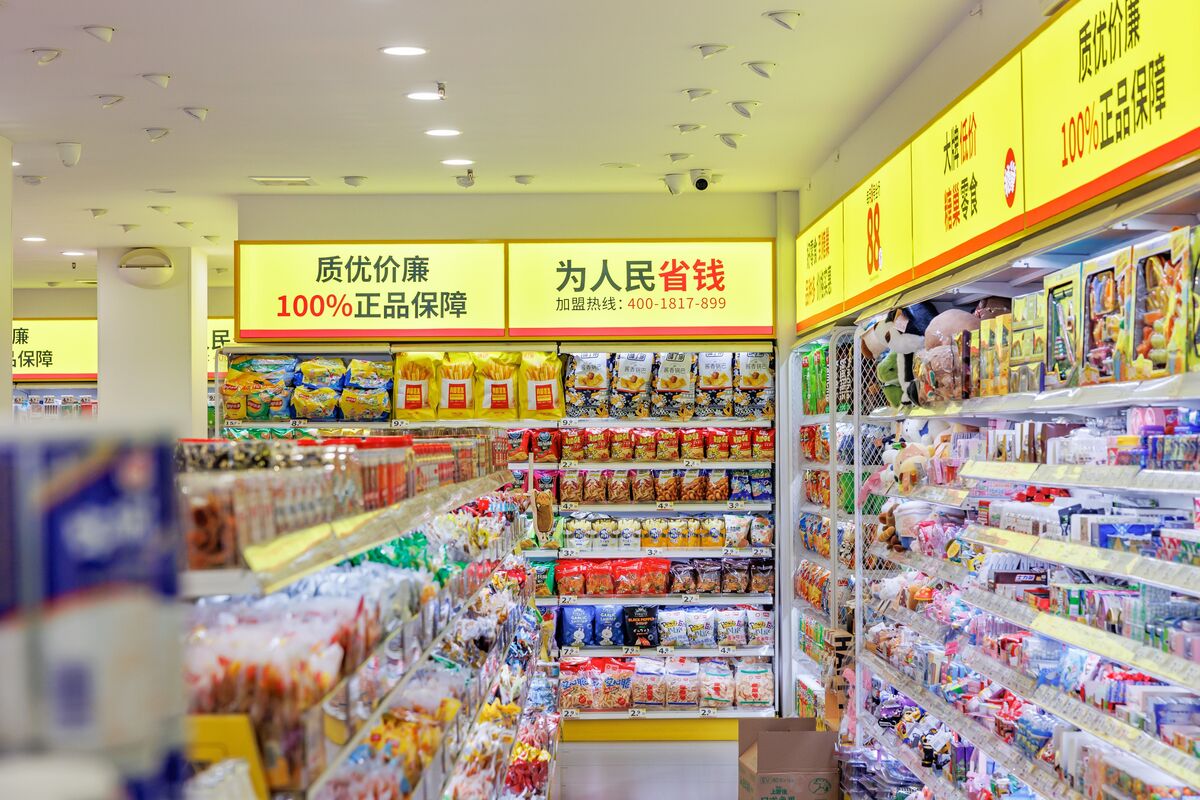
Xu Xiaokun is included in the 'Min Merchants of the Era' column not only because he founded Tangchao Group, a bulk snack chain, but also because he represents a typical growth path for regional retail brands. Starting from a community store in Xiamen, he expanded to multiple provinces through direct sourcing and steady operations, and after scaling, he chose to invest in his hometown, embodying the dual traits of Min merchants: 'daring to fight' and 'giving back to one's roots.' His archival value lies in how to build barriers through regional focus and supply chain efficiency in the fiercely competitive fast-moving consumer goods retail sector, rather than blindly chasing trends.
Xu Xiaokun is from Longhai, Fujian. In his early entrepreneurial journey, he experienced difficulties—according to his own public sharing, he carried debt that he gradually repaid, which reinforced his focus on steady operations and cash flow management. [1] In 2011, he opened the first Tangchao snack store at Taihe Garden in Xiamen, adopting an affordable snack retail model rooted in the community. [1] Unlike traditional multi-tier distribution models, Tangchao directly sources from food manufacturers, reducing intermediate links. [1] In the early stage, Tangchao focused on the Fujian market for years, concentrating on single-store model refinement and warehousing-distribution system development. After the regional model matured, expansion to other provinces began. [1] In 2022, standardized store management and digital systems were implemented, and warehousing and logistics facilities were built in Fujian, Guangdong, and Jiangxi. [1] By November 2023, store count and membership reached notable scale; in 2025, stores continued expanding across southern provinces; as of 2026, the store count continued growing. [1]
Tangchao established a "supplier-platform-franchisee" cooperation model, using direct sourcing to reduce intermediate links and lower procurement costs. [1] In product layout, Tangchao offers categories including snacks, beverages, and daily necessities, with cooperation partnerships with multiple food manufacturers. [1] In December 2023, Tangchao Group launched the snack headquarters project in Zhangzhou Longhai, focusing on snack production and integrated warehousing-distribution, marking an important upgrade of its supply chain capabilities. [2] In August 2024, at the Zhangzhou food industry supply-demand matchmaking conference, Xu introduced Tangchao's supply chain cooperation standards, stating focus on product quality, innovation capability, production capacity, and quality control systems. [3] Tangchao is a vice president unit of the Xiamen Food Industry Association, reflecting its position in the regional food industry. [4]
From early entrepreneurship to building a snack chain brand, Xu's journey reflects a regional retail brand development path. [1] Through direct sourcing and community focus, Tangchao has formed a differentiated competitiveness in the bulk snack sector, with store networks covering multiple provinces and continuously growing membership. [1] In 2023, his investment in the snack headquarters project in his hometown not only boosted local food industry development but also reflected the tradition of Min merchants giving back to their roots. [2] At the 2024 supply-demand conference, Xu's elaboration on supply chain cooperation standards demonstrated his emphasis on product quality and supplier comprehensive strength, providing a reference for the industry. [3] As a vice president unit of the Xiamen Food Industry Association, Tangchao's influence in the regional food industry is growing. [4]
The business proposition Xu Xiaokun leaves behind is: in the red ocean of bulk snack retail, how can regional brands achieve sustainable growth through supply chain efficiency and community focus? His practice shows that steady operations and cash flow management are key to navigating cycles, while hometown investment reflects entrepreneurial social responsibility. His significance lies in providing a replicable development path for many regional retail brands—not pursuing rapid expansion, but first consolidating foundations, then gradually expanding outward.